人工智能理论与英文介绍全指南 从核心概念到实践应用
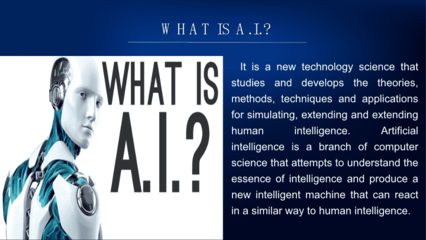
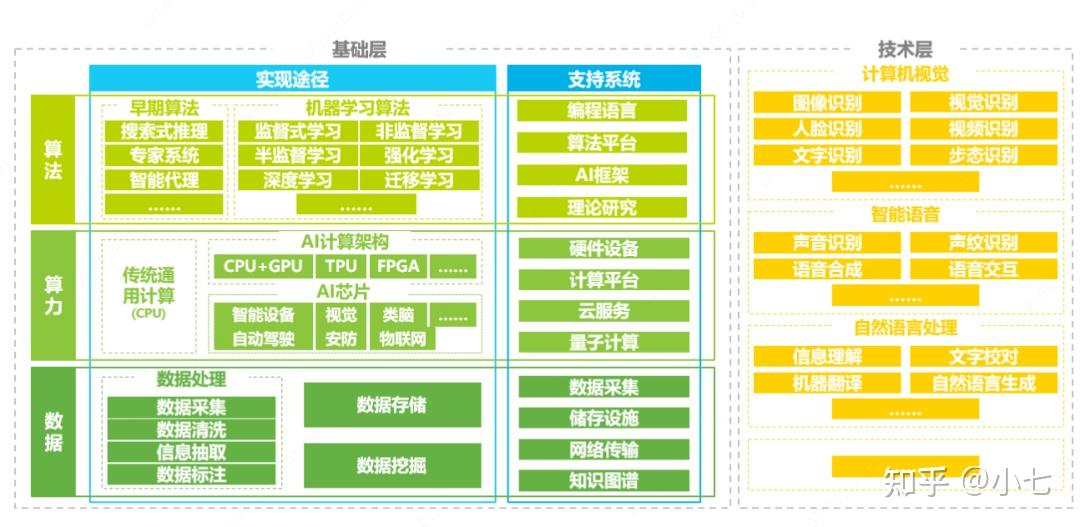
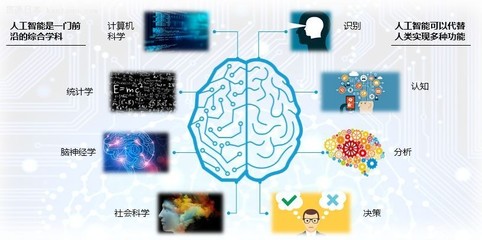
一、人工智能的定义与概述\n\n人工智能(Artificial Intelligence,简称AI)是计算机科学的一个分支,旨在创造能够执行通常需要人类智能的任务的机器或系统。这包括学习、推理、感知、理解自然语言以及决策等能力。自1956年达特茅斯会议首次提出“人工智能”一词以来,该领域经历了多次高潮与低谷,如今已渗透到医疗、金融、交通、教育等各行各业。\n\n在英文中,AI常被定义为:“The theory and development of computer systems able to perform tasks that normally require human intelligence, such as visual perception, speech recognition, decision-making, and translation between languages.”\n\n## 二、人工智能的核心理论框架\n\n人工智能理论涵盖多个子领域,以下几个支柱最为关键:\n\n1. 机器学习(Machine Learning)\n机器学习是AI的核心驱动力,研究计算机如何从数据中自动学习规律并改进性能,而无需显式编程。主要分为:\n- 监督学习(Supervised Learning):利用带标签数据训练模型,如分类与回归。\n- 无监督学习(Unsupervised Learning):从无标签数据中发现模式,如聚类与降维。\n- 强化学习(Reinforcement Learning):智能体通过与环境交互、根据奖励信号调整策略以最大化长期收益。\n\n2. 深度学习(Deep Learning)\n深度学习是机器学习的分支,使用多层神经网络(Neural Networks)自动提取层次化特征。卷积神经网络(CNN)擅长图像处理,循环神经网络(RNN)与Transformer适用于序列数据。\n\n3. 搜索与优化(Search and Optimization)\n用于求解复杂决策问题,如A*搜索、遗传算法、模拟退火等,是早期AI与当前规划系统的基石。\n\n4. 知识表示与推理(Knowledge Representation and Reasoning)\n研究如何将现实世界知识编码为计算机可处理的形式,并进行逻辑推理。常见方法有谓词逻辑、语义网络、本体论等。\n\n5. 自然语言处理(Natural Language Processing, NLP)\n使计算机理解、生成和操作人类语言。典型任务包括机器翻译、情感分析、问答系统和文本摘要。\n\n6. 计算机视觉(Computer Vision)\n让机器“看”并理解图像与视频内容,包括图像分类、目标检测、图像生成等。\n\n7. 机器人学(Robotics)\n结合感知、规划与控制,使机器人能够在真实环境中自主行动。\n\n人工智能理论并非孤立,而是认知科学、数学、统计学、神经科学和计算机工程等多学科交叉的产物。\n\n## 三、人工智能的英语术语解释\n\n如果你需要用英文介绍人工智能理论,以下核心术语及其英文释义至关重要:\n\n| 中文术语 | 英文术语 | 英文解释 |\n|---------|---------|---------|\n| 人工智能 | Artificial Intelligence | The simulation of human intelligence processes by machines, especially computer systems. |\n| 机器学习 | Machine Learning | A field of study that gives computers the ability to learn without being explicitly programmed. |\n| 神经网络 | Neural Network | A computing system inspired by biological neural networks that constitutes the basis of deep learning. |\n| 强化学习 | Reinforcement Learning | An area of machine learning concerned with how agents ought to take actions in an environment to maximize cumulative reward. |\n| 监督学习 | Supervised Learning | The machine learning task of learning a function that maps an input to an output based on example input-output pairs. |\n| 无监督学习 | Unsupervised Learning | A type of machine learning that looks for previously undetected patterns in a data set with no pre-existing labels. |\n| 自然语言处理 | NLP | A subfield of linguistics, computer science, and AI concerned with the interactions between computers and human language. |\n| 计算机视觉 | Computer Vision | An interdisciplinary scientific field that deals with how computers can gain high-level understanding from digital images or videos. |\n\n在英文presentation中,有效介绍这些顺序为:先给出定义(Definition),再解释原理(How it works),列举应用(Applications),最后说明局限(Limitations)。例如介绍机器学习时可讲:“Machine learning is a subset of AI that enables systems to automatically learn and improve from experience without being explicitly programmed. It works by training a model on data, then using that model to make predictions or decisions. Applications range from spam filtering to medical diagnosis. However, it requires large amounts of quality data and can be biased if training data is unrepresentative.”\n\n## 四、用英语介绍AI的实用模板与例句\n\n面对英文观众或撰写英文PPT,常用导航句式如下:\n\n1. 开场白 (Opening)\n- “Good morning everyone. Today I’m going to talk about the theory of Artificial Intelligence.”\n-“Let’s start with a basic question: What is AI?”\n\n2. 定义主题 (Defining the topic)\n- “AI can be broadly defined as the science and engineering of making intelligent machines.”\n-“AI theory revolves around several core subfields: machine learning, deep learning, natural language processing, and computer vision.”\n\n3. 过渡与列举 (Transitions and Listing)\n- “First, let’s look at machine learning.”\n-“Next, I’ll explain deep learning and how it differs from traditional machine learning.”\n-“Finally, we’ll discuss some real-world applications.”\n\n4. 解释比较对比 (Explain/ Compare/ Contrast)\n- “Unlike supervised learning, unsupervised learning does not require labeled data.”\n-“Deep learning is a subset of machine learning that uses neural networks with many layers.”\n\n5. 回答问题 (Q&A section)\n- “That brings me to the end of my presentation. I’d be happy to answer any questions.”\n\n将以上模板整合到你的 PPT 中,有助于更有逻辑地去阐释人工智能理论。\n\n## 五、人工智能理论的典型实践及展望\n\n理论最终要联系实际。当代AI的核心应用,例如自动驾驶(综合 CV、传感器融合与强化学习),医疗影像诊断(CNN+RCNN 编码病灶定位),智能语音助手(NLP+语音识别),无一不讲核心框架统一成四大组件:感知(Perception)→ 理解表达(Representation) & 内容生成理解,即Representation and Reasoning → 决策/行动(Decision making / Action)。在未来发展里,更强的确定性模型可解释性与当前热度生成 AI ( Generative AI ) 的基础也就是自我关注调度强化模式,会有计划构建新一代认知求解程序综合应用的图式体系架构研究继续打通融合路径,引领核心理论知识拓宽进入量子-AI架构等多视界联动态方向延展,使得处理更高性能形态的实现。 人类也从未仅仅仰仗学专家来承担AI理论进一步演进的职责学习曲线突破智能工程最终形成的智慧需要所有领域的互联共建知识透明的进步。而我们对中国参与并将在此波澜壮阔智能开发时代主动构建宽广的思维理论与系统化人才的评价革新调整轨迹也将日益在全球框架中递开展的重要铺陈前进的动力奠定基本趋势。这一切的知识凝练和动态演绎均将是鲜生动摇文字主题不变底基,是你做出引人感叹的不虚呈现值得信赖遵循人工智快速演变成每一模型学习的必要丰富人类知识结构调整的前夜航座标杆明理而强脑醒择;从中挑选对自身业务及生命科学的适应理论才备可挖掘价值所需框架即为理论和自身体验补充相合的机缘起落果实在AI系统培训实践必备,学好人工智能的原理梳理才能很好地进行发现全新深度创造等任务推动业界兴盛前行路程有着不言自喻关键切重而正确加持助力永恒不息般运行不止。“
}